When people hear the term ‘wedding music’, they often think only of the ceremony entrance. The song that plays as the doors open. The moment everyone stands. The few seconds that feel formal and loaded with meaning.
In reality, the entrance is just one of many musical moments that feature in a wedding. Music runs through the entire day, from guests arriving and settling in, to drinks, dinner, and the evening celebration. Because there are so many points where music plays a role, couples often find themselves overthinking it. Not because it’s unimportant, but because it’s more involved than they first expect.
The key to planning wedding music is understanding those moments and giving each one the right level of attention, without trying to control every second. Once you do that, the choices become clearer and the day begins to take shape naturally.
In this handy guide on how to choose wedding music, we’ll help you hit the right note on your special day.
Begin by mapping the day, not the songs
There’s no single answer when it comes to choosing wedding music. What music works and when depends entirely on how the day unfolds.
Before choosing any tracks, map out the moments where music plays a role. These usually include the ceremony, drinks, dinner, speeches, and the reception, but even smaller moments benefit from consideration.
This approach helps answer practical questions early, such as: ‘Do you play music during the wedding ceremony?’ or ‘Can you have music at a registry office wedding?’ In most cases, yes, but the type of music and how it’s delivered may be different to a traditional venue.
Once everything is written down, the process feels less overwhelming. You’re no longer choosing ‘wedding music’. You’re choosing music for specific moments.
Choose ceremony music that feels considered, not copied
Ceremony music carries emotional weight, which is why couples worry about getting it wrong.
When thinking about how to choose wedding ceremony music, it helps to focus on function first. Entrance songs set the tone. During the signing of the register, background music fills a natural pause and keeps the ceremony flowing. Exit music signals a shift from formality to celebration.
Most ceremony music decisions come down to intent rather than volume. A few well-chosen pieces usually do far more than a long list of songs.
Entrance music, for example, doesn’t need to be long. If you’re wondering how long wedding entrance music should be, the answer is usually ‘just long enough to do its job without drawing attention to itself’.The most effective ceremony music often feels effortless, even when a great deal of thought has gone into it.
The quiet impact of music during drinks and dinner
One of the most overlooked parts of how to plan wedding music is what happens between the headline moments.
Guests arrive. Glasses are poured. Conversations begin. This is where background music quietly does its work. What’s playing in the background at a wedding breakfast or dinner might not seem essential, but without it, rooms can feel oddly flat. Even light background music helps the room feel settled.
Music during drinks and dinner should sit comfortably underneath conversation. This might just be background music playing, but it really helps with the atmosphere.
It is also great to have a live element of music during the dinner. Giving the guests space to talk during starters and dessert, but then having something special during the main course, that brings all the guests together. These are such incredible moments, because the main course is also the only time you can guarantee everyone is in one place at the same time. During the party some guests may be outside or at the bar, but during the meal they are all seated together, and you can create special experiences here.
If you’re deciding what music to play during wedding dinner or what type of music to play during dinner at wedding celebrations, familiarity usually works better than novelty. Guests relax when the music feels recognisable but unobtrusive.
Deciding when to use a band, a DJ, or both
Rather than asking whether to choose a band or a DJ, it’s often more useful to ask where each fits best. Live wedding music brings presence and warmth, while DJs offer range and adaptability. Many weddings benefit from a combination of both, with each used where they make the most impact.
This is particularly helpful across longer celebrations. There may be five hours or more of music across the day and evening. No single format needs to carry all of it.
Understanding this makes questions like how to find a wedding band music style or how to pick a wedding band music approach feel less pressured. It’s not about choosing one solution. It’s about building a structure that works.
If you’re still exploring options, this is a good point to think about how experienced suppliers approach the process of finding and booking a band for a luxury wedding and how they help couples strike the right balance.
Deciding on key songs without overplanning
There are a few moments where specific songs matter deeply. The bride and groom’s entrances. The romantic first dance as newlyweds. A heartwarming dance with a parent. The last song of the night.
It’s worth selecting these songs early, as they shape some of the most emotionally significant moments of the day.
If you’re unsure where to begin, your wedding entrance music is a useful starting point, as it establishes the tone for the rest of the celebration.
Family dances often involve a wider range of emotions, which is why choosing the right music, for example, for the father and daughter dance usually benefits from extra thought.
Outside of these points, flexibility is essential. Guests respond differently as the night unfolds, and the best music choices are often made in the moment.
Music works best when suppliers communicate
Even the best music choices can fall flat if timings don’t align. Speeches overrun, courses are delayed, sunset arrives earlier than planned. Music simply has to adapt.
This is why coordination matters. DJs and bands who regularly work alongside venues, planners, and caterers know how to adjust without drawing attention to the change.
Music smooths transitions and keeps momentum moving, even when plans shift slightly.
The most important part of how to plan wedding music
After all the planning, what matters most is having people you trust handling the music on the day. You know what you love. Your suppliers know how weddings unfold in real time. When those two things work together, the day feels natural rather than staged.
Choosing music with the full guest mix in mind allows earlier moments to feel accessible and relaxed, while later parts of the day can gradually build in energy without excluding anyone.
That balance doesn’t happen by accident. It comes from experience.
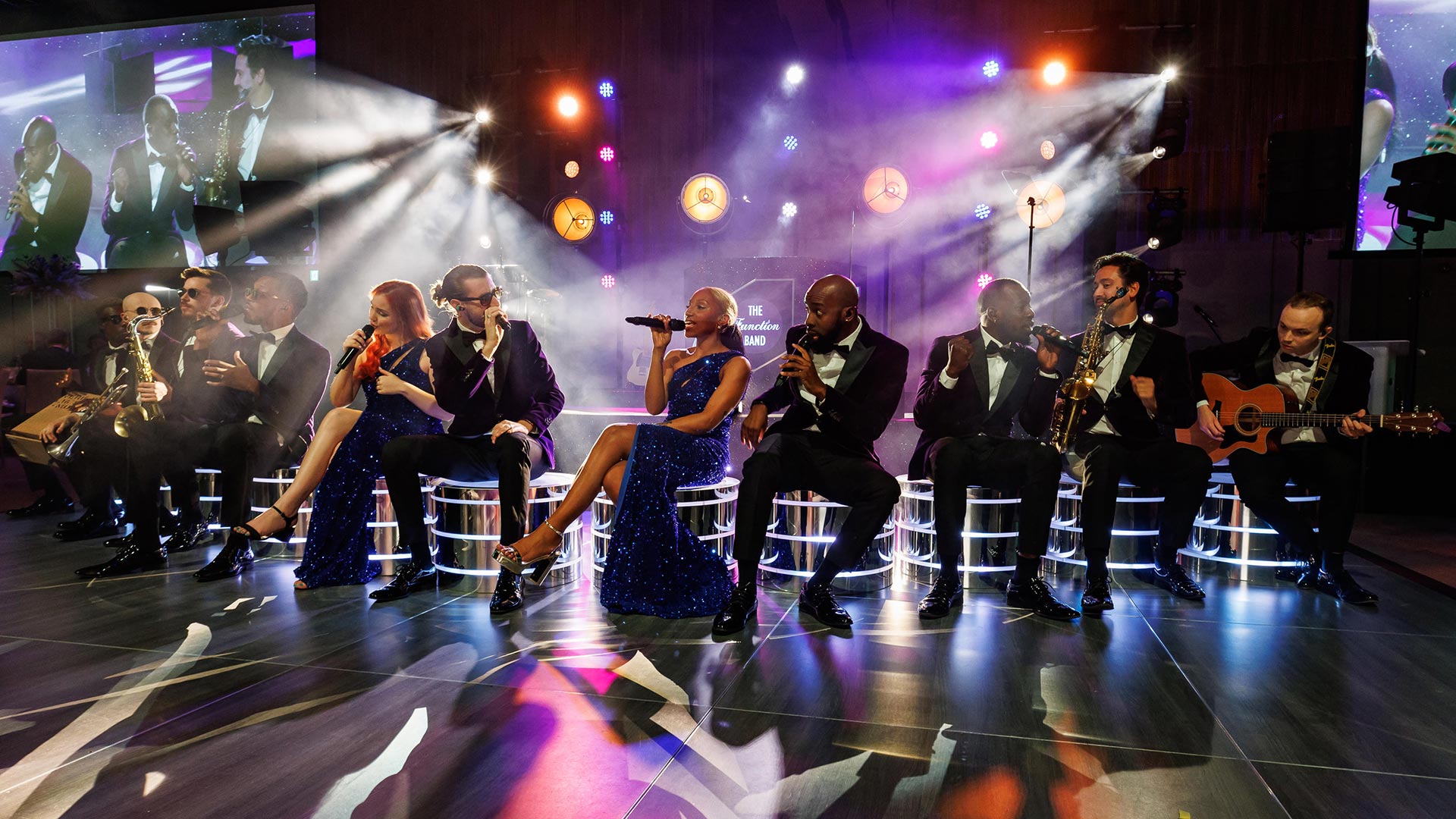
That’s why couples who work with The Function Band often choose a combined approach, using both live band and DJ services across the day. It allows the music to evolve naturally, while still reflecting the couple’s tastes and priorities.
When wedding music is planned with flow in mind, guests don’t notice the planning at all. They simply feel that the day moved exactly as it should. To work with our team, get in touch and we’ll help you bring your passion to your wedding.
FAQs About Hiring The Function Band
What music do you need for a wedding?
Most weddings need music for several moments across the day, including guest arrival, the ceremony, drinks reception, wedding breakfast or dinner, evening dancing, and the final song. You don’t need to plan every track, but it helps to understand where music supports the flow. Ceremony music sets the tone, background music creates atmosphere earlier in the day, and high-energy music brings guests together in the evening.
How long should wedding entrance music be?
Wedding entrance music only needs to last long enough for the entrance itself. In most cases, this is between 30 seconds and 1 minute. The music should fade naturally once everyone is in place, rather than continuing on for too long.
Do you play music during the wedding ceremony?
Yes, music is usually played at several points during the ceremony. This often includes entrance music, background music during the signing of the register, and an exit song as the couple leave.
The key is choosing music that supports the moment rather than overpowering it. Ceremony music works best when it feels intentional but understated, allowing the focus to remain on the couple and the proceedings.
What music should you play during the wedding dinner?
Wedding dinner music should sit comfortably in the background and allow conversation to flow. Familiar songs at a lower volume tend to work best, helping the room feel relaxed without distracting guests.
Some couples choose to add a live musical moment during the main course, when all guests are seated together. This can create a shared experience without turning dinner into a full performance, keeping the atmosphere warm and inclusive.
Can you have music at a registry office wedding?
Yes, most registry offices allow music, but there are usually restrictions. Live music may not be permitted, and you may be limited to recorded tracks played through a provided system. It’s always best to check with the venue in advance so your choices fit their guidelines. To find out what set up would work best for your wedding, get in touch with our team.